
Our Message to U.S. Beekeepers
Over the past several weeks, we have received reports from U.S. beekeepers describing unexpected adverse effects such as reduced adult population and absconding after treating colonies with Apivar® 2.0.
As your bees always come first, we want to address these reports openly and directly.
At the same time, it is important to put these reports into context. The experiences reported to us represent a limited number of cases compared with the number of colonies treated with Apivar® 2.0 since its launch in May 2025. Nevertheless, every report of an unexpected effect matters to us. We are taking each case seriously and investigating them thoroughly to identify any common factors that may help explain what is being observed.
Update as of October 2, 2026: Investigation ongoing. This page will be updated as we learn more.
Update as of October 19, 2026: Investigation ongoing. Randy Oliver (ScientificBeekeeping.com) independently reviewed our testing data and conditions, including a 2025 U.S. trial in hot, humid weather (91°F, 90% humidity). No adverse effects were observed. The cause of the reported cases is not yet established. [Read his review]
Key Points
– We are investigating reports on reduced adult population and absconding after Apivar 2.0 treatment.
– No manufacturing defects or batch quality issues have been found to date.
– Several cases occurred in hot, humid conditions; the cause is not yet established.
– Follow the label dose, separate double strips, and keep hives well ventilated.
– Report any unexpected effect to pv@vetopharma.com.
What Beekeepers Can Do Now
- If you are using Apivar 2.0 for the first time, consider testing it on a small number of colonies under your local conditions before treating a larger number of colonies
- Watch colonies closely, especially in the first hours / days after treatment.
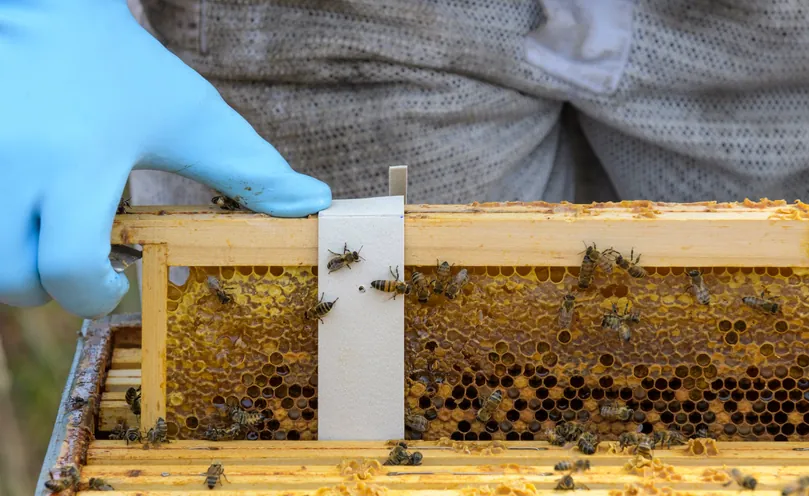
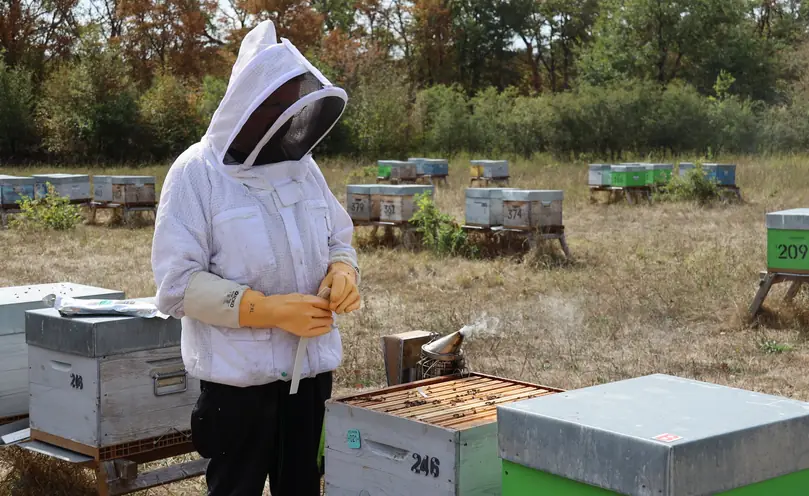
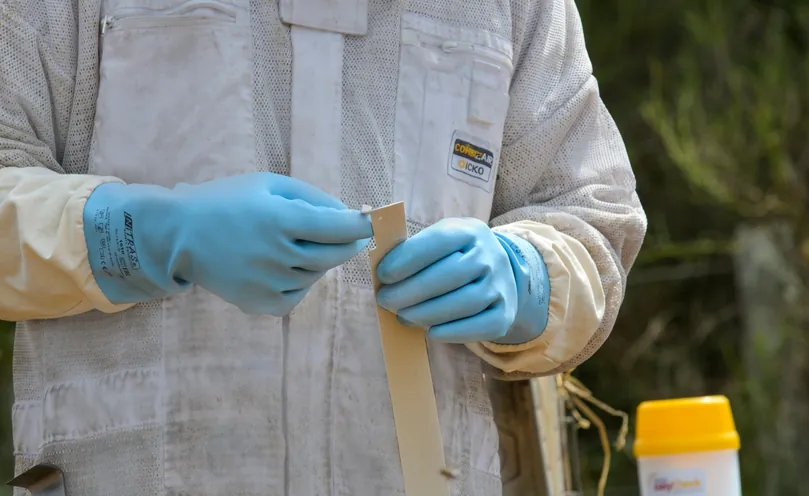
- Separate the connected double strips before using. In some reported cases, the strips were not separated, resulting in twice the recommended dose being applied.
- Use one strip per five frames covered with bees, as stated on the label.
- Do not use any other varroa treatment in combination with Apivar® 2.0. This is a general recommendation that applies to all varroa mite treatments, but it’s worth a reminder.
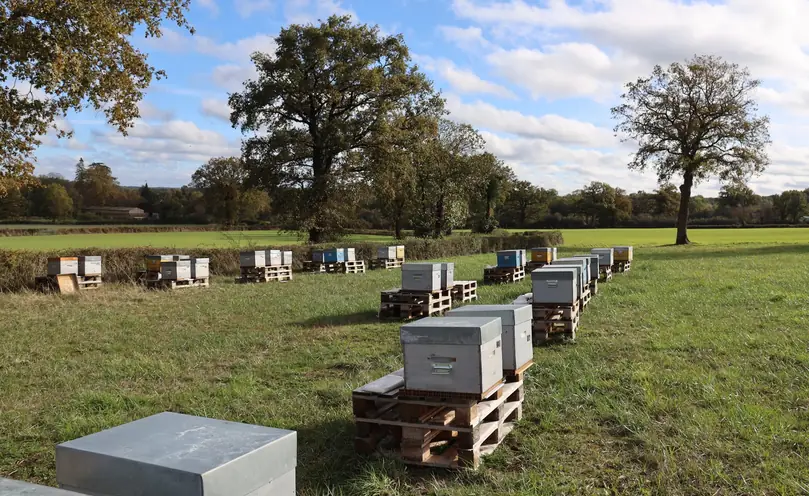
- Where possible, maintain good hive ventilation, particularly under hot and humid conditions. Based on current observations, colonies without entrance reducers appear to have been less affected.
These precautions are intended to help beekeepers manage the current uncertainty while our investigation continues. They do not replace the approved product label.
Please Tell Us What You See
If you have seen unexpected effects, please write to pv@vetopharma.com. Please include:
- Your contact details
- Location of the apiary
- Treatment date, and how many days after treatment the issue was first observed
- Lot number(s) of the sachets used (printed on the front of each sachet)
- Colony strength
- Mite levels
- Queen and brood status, and an estimate of bee mortality, if any
- Weather conditions at the time of treatment and in the following days (temperature and humidity)
- Hive setup and ventilation
- Other treatments used
- Whether the strips were left in place or removed after the issue was observed
Detailed field information is extremely valuable to us. Include photos or videos if possible. Every well-documented report helps us compare cases, identify common factors, and move faster towards answers.
What We Know Today
Since the beginning of our investigations, we have found no evidence to date of any manufacturing defect or batch quality issue.
We are reviewing the individual cases reported to us, including the product batches involved, treatment conditions, and colony management, while looking for common factors that could help explain what is being observed.
Several of the cases reported to us occurred under hot and humid conditions. In our observations so far, colonies with good ventilation, without entrance reducers, and with less direct sun exposure have shown fewer of the reported effects.
However, these are observations, not conclusions about causality. We do not know yet whether temperature, humidity, ventilation, application practices, colony characteristics, or a combination of these factors may contribute to the reported effects.
We are therefore continuing to investigate these factors and are working with independent researchers and experienced beekeepers on comparative field observations under different conditions.
Our objective is not to draw conclusions prematurely. It is to understand what is happening in the field and to identify, based on evidence, the circumstances under which these unexpected effects may occur.

How Apivar 2.0 Differs from the Original Apivar
Apivar 2.0 is a genuinely different formulation from the original Apivar, with a different strip size and – amitraz release profile. It was developed in response to feedback from beekeepers looking for improved treatment performance and ease of use. Compared with the original formulation, Apivar 2.0 provides a greater mite drop during the first three weeks of treatment.
How Apivar 2.0 Was Tested
Apivar 2.0 went through many years of laboratory, controlled and field trials in North America, New Zealand and Europe, under a wide range of climates and beekeeping conditions. Effects of the type currently being reported were not observed during those trials.
These trials followed Good Laboratory Practice (GLP) standards, which ensure studies are strictly controlled and fully documented.
At the same time, no development program can reproduce every possible combination of conditions that a product may encounter once used across thousands of colonies and different beekeeping environments. Widespread use in the field can reveal interactions between environmental conditions, hive configuration, colony characteristics, and application practices that may not have been identified during development.
Our Commitment
Our responsibility is not to dismiss these reports or to speculate about their cause without sufficient evidence. It is to listen, investigate the facts, and share what we learn with the beekeeping community.
We believe that the right approach is to be transparent about what we know, clear about what we do not know yet, and rigorous in finding the answers.
Thank you to the beekeepers who have taken the time to report on their experiences and provide detailed information. Your feedback is an important part of this investigation.
Sincerely, the Véto-pharma team
Questions not related to adverse effect reporting? Email info@vetopharma.com, and keep pv@vetopharma.com for adverse effect reports.
Additional Resources on Apivar 2.0

Discover Apivar® 2.0, its key features, differences from the original Apivar® and practical information for Varroa control.
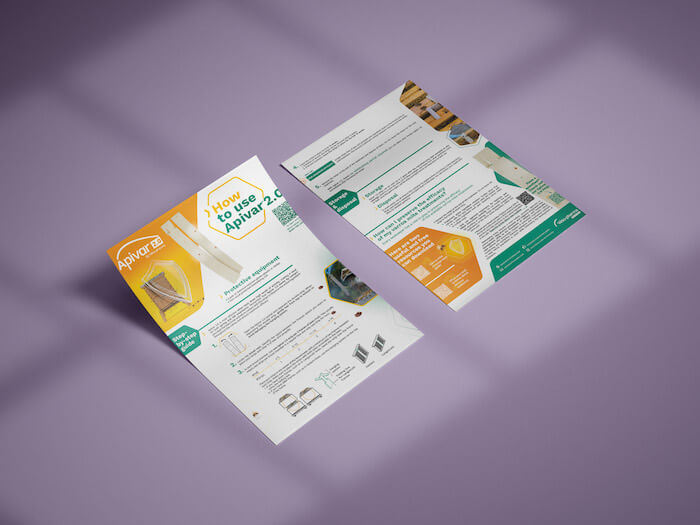
In this guide you will find instructions of use about Apivar 2.0, our new product based of amitraz in USA and in Canada.

FAQ
Visit our FAQ about Apivar 2.0
Find quick, clear and practical answers to the most common questions about Amiflex and Amiflex 2.0.
APP-19-US-N01-10/26